Introduction
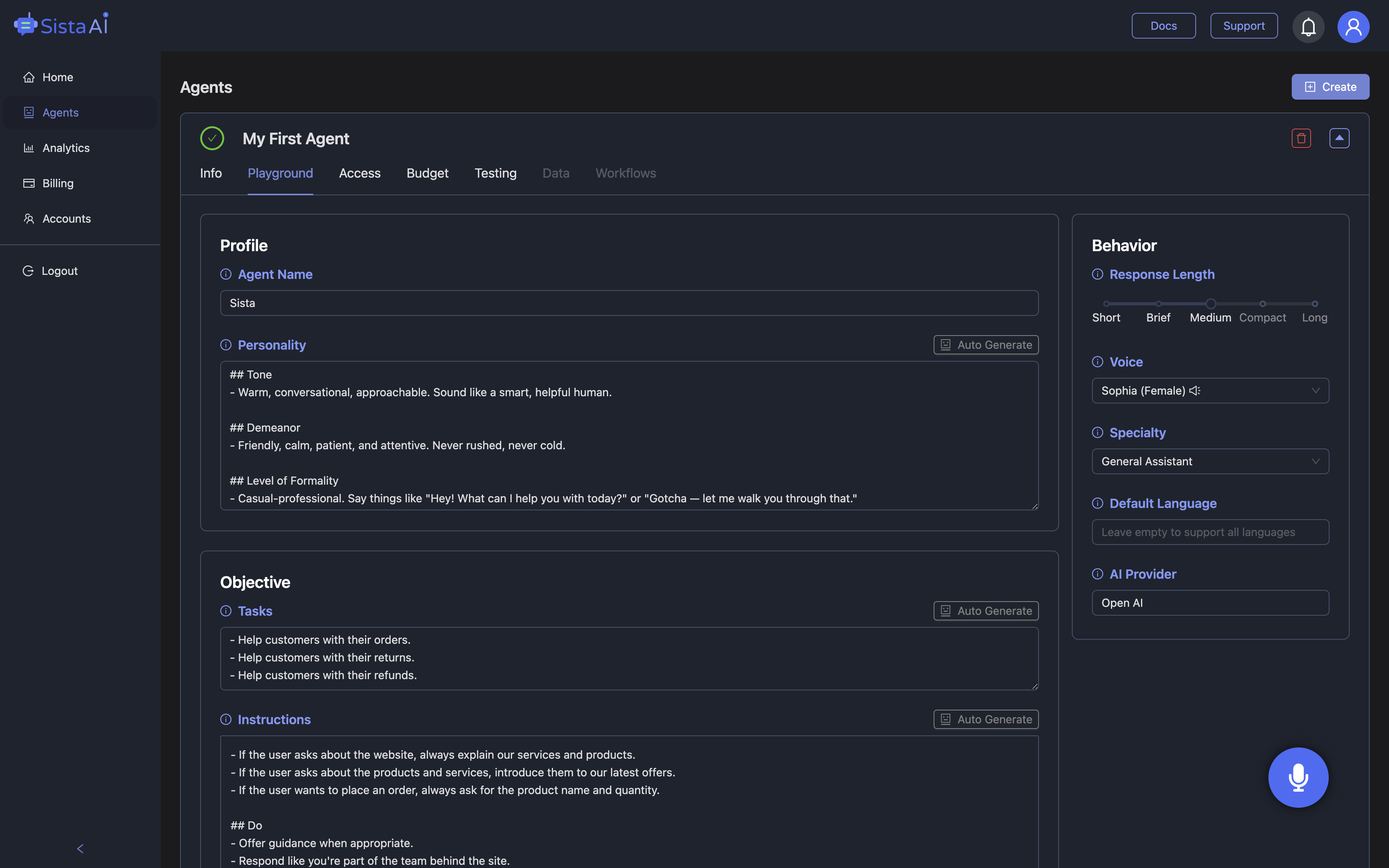
In the rapidly evolving landscape of technology, building AI agents has become a focal point for companies aiming to enhance user engagement and streamline operations. The year 2025 marks a pivotal moment for AI agents, as they transform from simple chatbots into sophisticated entities capable of handling complex tasks autonomously. This shift is driven by advancements in large language models (LLMs) and the integration of tools that foster adaptability across various sectors, including customer support and software development. Companies like Sista AI are at the forefront, creating AI tools that capitalize on these innovations, making interactions more intuitive and efficient for users.
The Rise of Autonomous Agents
The demand for more intelligent and responsive systems is growing, and to meet this need, organizations are focusing on building AI agents that not only respond but also learn and adapt in real-time. The autonomous nature of these agents empowers them to perform tasks such as coding, data retrieval, and customer interactions with minimal human oversight. Sista AI embraces this trend by offering voice technology that enables businesses to integrate conversational agents seamlessly into their existing digital environments, fostering a more engaging user experience.
Key Elements of AI Agent Development
When creating effective AI agents, data grounding and retrieval-augmented generation (RAG) are fundamental techniques utilized in their architecture. These methods enhance the accuracy of responses, mitigating challenges like hallucination, where AI generates misleading information. Through frameworks that support modular tool integration, developers can build agents capable of executing complex workflows typically requiring multiple steps. Sista AI's solutions offer effortless integration into websites and applications, emphasizing the importance of conversational flow and context-aware interactions for improved usability.
Real-World Applications and Benefits
The applications for these autonomous agents are vast, ranging from customer service automation to sophisticated software development. For instance, Sista AI empowers businesses to automate repetitive inquiries and processes, thereby reducing operational costs and improving response times. With functionalities that enable voice interaction, businesses can create more inclusive platforms that cater to diverse user needs, fostering a sense of connection that traditional interfaces often lack. This revolutionary approach not only streamlines workflows but also enhances the overall user experience.
Conclusion: The Future of AI Interaction
As we look ahead, the implications of building AI agents extend far beyond mere automation. These agents represent a new era of intelligent collaboration between humans and machines. Sista AI is leading the charge by providing businesses with powerful tools to create engaging, voice-driven experiences that resonate with users. To learn more about how Sista AI can elevate your digital interaction strategy, visit Sista AI and get started with your own voice agent. Don’t miss the opportunity to revolutionize your operational landscape—sign up today at Sista AI Signup to experience the future of AI collaboration.
Special Offer
Sign up today to receive free credits:
Deploy Your First Voice AI Agent Now
Try The New AI Browser Extension

For more information, visit sista.ai.