Why “Install AI Shopify App” Is the 2025 Advantage
Every merchant reaches a point where manual work caps growth, and that’s where the decision to install AI Shopify app tools becomes transformational. Industry roundups for 2025 show AI now touches every stage of a store’s lifecycle, from naming and setup to pricing, support, and retention. Apps like Shopify Magic and Jasper help produce on-brand copy in minutes, while Gorgias or Tidio automate routine support with human-like replies. Ad platforms such as AdWisely orchestrate campaigns with precise targeting, and tools like Fast Bundle raise average order value by presenting smart product groupings. The catch is performance: sites burdened with 15–25+ plugins risk slower load speeds, which correlates with the well-known problem of high cart abandonment attributed to sluggish experiences. The winning strategy is to pick a focused stack and phase it in. Done right, merchants report quicker launches, 24/7 responsiveness, and measurable lifts in conversions without sacrificing speed. In short, installing the right AI apps is less about novelty and more about building dependable, compounding advantages.
Build a Lean, High-Impact Stack That Won’t Slow You Down
A reliable rule of thumb echoed across expert lists is to keep your stack in the 8–15 app range, with minimal overlap. Start with launch essentials: naming/branding generators (e.g., Namelix-style tools) for a memorable identity, page builders such as PageFly or GemPages for fast, professional layouts, and a content assistant like Shopify Magic for product descriptions and emails. Layer in revenue drivers next: Fast Bundle to nudge complementary add-ons, Klaviyo for segmented email/SMS flows, and a review app like Luke’s to showcase real customer photos and videos. Add operational intelligence with a financial dashboard and inventory/pricing optimizers (think Prisync/Dexter-style tools) that react to demand. Finally, automate frontline support with Gorgias or Tidio so routine inquiries never queue. A small apparel boutique, for instance, can combine a page builder, content assistant, Klaviyo, reviews, Fast Bundle, a pricing optimizer, a lightweight analytics hub, and a conversational agent—eight tools total—to cover 90% of growth needs. Stores following this approach report faster launches, higher average order values, and fewer support bottlenecks without bogging down the site.
How to Install AI Shopify App Tools the Right Way
Approach each installation like a mini project. First, define a single metric the app should move—conversion rate, average order value, first-response time, or cart recovery. Next, install from the Shopify App Store, grant only required permissions, and complete the developer’s quick-start steps, such as adding API keys for platforms like Klaviyo. Before going live, test on a draft theme or a staging duplicate to catch CSS or script conflicts with page builders or analytics tags. Measure baseline performance and run a short A/B test for 7–14 days to see whether the app actually moves your chosen metric. Keep an eye on page speed in key flows like Product → Cart → Checkout; slowdowns negate wins elsewhere. If an app overlaps with an existing one, pick the single best performer and remove the rest. Advanced users on Shopify Plus can also leverage scripts and checkout extensions for deeper control. The goal isn’t to install more—it’s to install AI Shopify app solutions that deliver visible outcomes with minimal trade-offs.
Where Voice Fits: From chatgpt voice to Real-Time Commerce
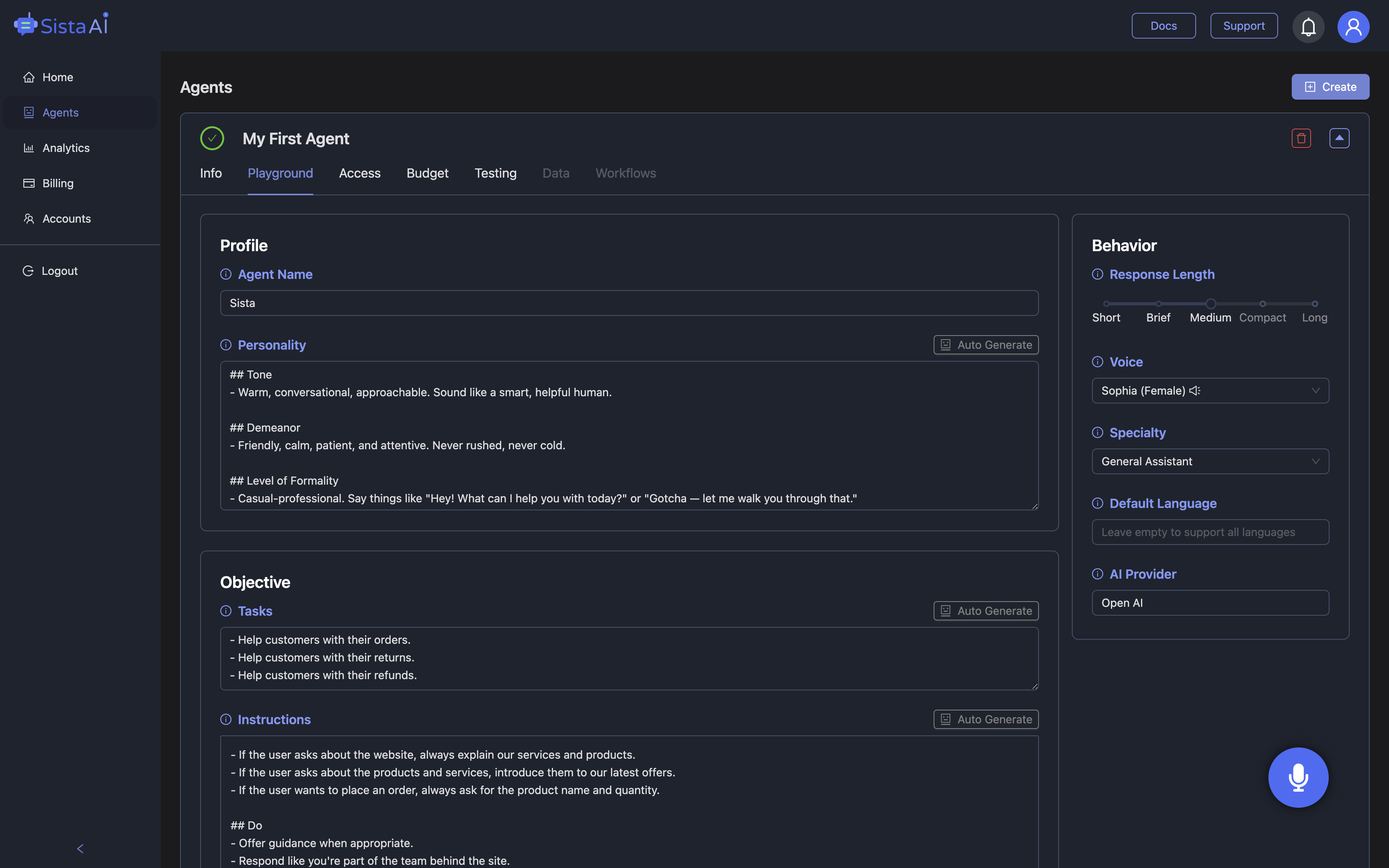
Voice is emerging as the most natural interface for discovery, support, and checkout—think chatgpt voice, but embedded directly into your storefront. This is where Sista AI’s Shopify AI Sales Agent stands out: it guides shoppers through voice-based product discovery, manages carts, compares variants, and answers order or shipping questions without human intervention. Imagine an electronics store where a shopper says, “Show me 13-inch laptops under $900 with 16GB RAM,” and the assistant filters, compares, and adds to cart—hands-free. Merchants benefit from 24/7 coverage, faster answers, and stronger accessibility for all visitors. Stores that add personalized recommendations often see a meaningful lift in average order value, and voice-led support helps shrink first-response times dramatically. Sista AI also supports multilingual recognition, which helps international shoppers feel at home and complete purchases more confidently. You can explore the broader platform capabilities with the live Sista AI Demo, and for Shopify-specific details, visit the product page at shopify.sista.ai. Voice doesn’t replace your stack—it extends it, turning passive pages into conversations that sell.
Prove ROI Fast, Then Scale Confidently
Validate each app with concrete numbers, not hunches. AI recommendations can drive meaningful AOV gains, while automated cart recovery typically brings back a noticeable share of would-be losses. Review widgets with photo/video UGC boost trust and conversion, and a well-tuned support agent reduces queue times while capturing common questions for continuous improvement. With voice, track conversion rate on sessions that engage the assistant, time-to-answer, and uplift in checkout starts from guided flows. If results hold for a month, standardize the app, document its configuration, and train your team to use it consistently. When you’re ready to explore conversational voice for your store, try the hands-on Sista AI Demo to experience real-time product guidance and support in action. If it fits your goals, you can create your account and configure your agent in minutes via the Sista AI Signup—no heavy lift, just a practical path to measurable results.
Stop Waiting. AI Is Already Here!
It’s never been easier to integrate AI into your product. Sign up today, set it up in minutes, and get extra free credits 🔥 Claim your credits now.
Don’t have a project yet? You can still try it directly in your browser and keep your free credits. Try the Chrome Extension.

For more information, visit sista.ai.